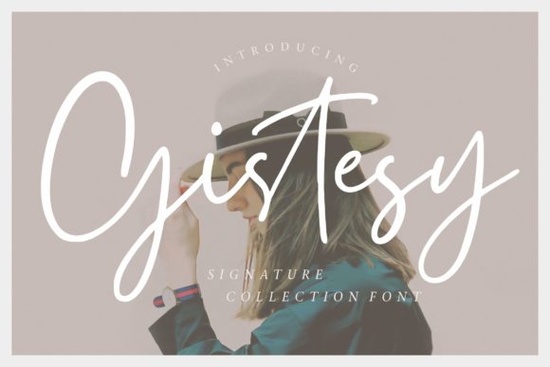
If you're looking for a friendly, hand-drawn script font that feels personal and approachable without being overly cutesy or hard to read Gistesy Font is worth trying. It’s designed with subtle irregularities and soft curves that mimic natural handwriting, making it especially well-suited for greeting cards, small-batch packaging, social media graphics, and handmade product labels. Unlike some script fonts that sacrifice legibility for flair, Gistesy keeps readability intact even at smaller sizes, which matters if you’re designing for print-on-demand items like mugs, tote bags, or stickers.
Who uses Gistesy and why does it work so well?
Small business owners love Gistesy for branding elements where warmth matters: think “locally made” bakery tags, baby shower invites, or boutique skincare labels. Designers working on digital products like Canva templates or Procreate brush sets also reach for it when they want a handwritten touch that doesn’t look generic. Crafters appreciate how easily it pairs with simple line art or watercolor textures. And because it includes both uppercase and lowercase letters (plus basic punctuation), it’s practical enough for real-world use not just decorative headlines.
It fits neatly into the script fonts category, but stands out from more formal scripts like Southmore Font or the bolder Farm Fresh Font. Where those lean into elegance or rustic charm, Gistesy leans into gentle personality like something a thoughtful friend might write by hand.
How does it compare to other popular handwritten options?
Compared to Mama Papa Duo Font, Gistesy has less bounce and fewer exaggerated swashes so it’s quieter and more versatile for everyday use. If you’ve tried Astutely Font and found its contrast a bit too dramatic for your project, Gistesy offers a softer alternative with consistent stroke weight and relaxed spacing.
You’ll also find it easier to pair with sans-serif companions (like Montserrat or Poppins) than some busier scripts. That makes it a solid choice for logo mockups, Shopify banners, or Etsy shop headers places where clarity and cohesion matter more than ornamentation.
What can you actually do with it?
Here are a few realistic, tested uses:
- Print-on-demand product mockups: Works cleanly on light-colored apparel and ceramic surfaces no thin strokes that disappear in printing.
- Digital planners and habit trackers: Its open letterforms hold up well in PDFs and Notion templates.
- Handmade business cards: Prints crisply on textured paper without losing character.
- Social media story text: Reads clearly even over busy background photos, especially when used at 28–36pt size.
- DIY wedding stationery: Pairs naturally with floral illustrations or minimalist borders no extra styling needed.
One thing to keep in mind: Gistesy isn’t a variable font, and it doesn’t include alternate characters or ligatures. That’s not a flaw it’s a design choice. It keeps things straightforward, especially if you’re new to using script fonts or don’t want to spend time swapping glyphs mid-design.
Where to use it and where to pause
Use Gistesy when you want to add sincerity without overcomplicating layout. Avoid it for body text, legal disclaimers, or anything requiring strict accessibility compliance (like WCAG AA contrast ratios). For those, stick with a clean sans-serif but feel free to layer Gistesy in as a headline or accent.
It’s also worth noting that while Gistesy shares visual kinship with fonts like Gistesy Font, Southmore Font, and Farm Fresh Font, each brings its own rhythm and tone. You don’t need all of them but having two or three script options with distinct personalities helps avoid visual fatigue across your brand assets.
For crafters who make seasonal items, try pairing Gistesy with a seasonal icon pack like spring florals or cozy winter motifs. For POD sellers, test it on three different product mockups before committing to a full listing. And if you’re building a brand kit, assign Gistesy to one specific role (e.g., “subheadings only”) so it stays intentional, not repetitive.
Quick checklist before downloading:
- ✅ Check that your design software supports OTF/TTF files (it does in Illustrator, Photoshop, Canva Pro, Affinity apps, and most modern tools).
- ✅ Preview how it looks next to your current brand font does it complement, or compete?
- ✅ Try typing a short phrase in all caps and sentence case notice how the lowercase ‘a’, ‘g’, and ‘y’ sit. Are they balanced for your layout needs?
- ✅ If using commercially, confirm the license covers your use case (Creative Fabrica’s standard license allows POD, digital templates, and small-batch physical goods).
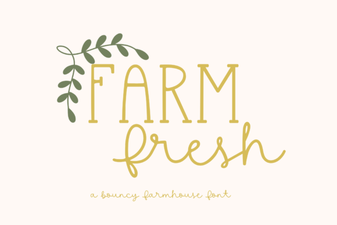 Farm Fresh Font: Rustic Design Inspiration
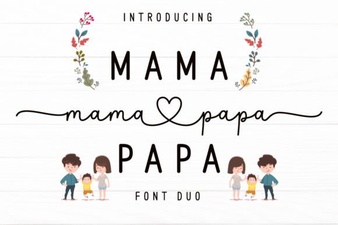 Mama Papa Duo Font: Playful & Versatile Design
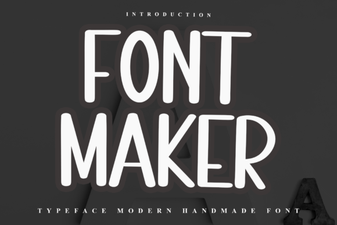 Font Maker Font: Design Your Own Creative Type
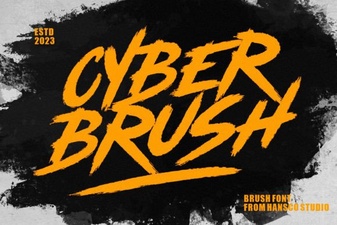 Cyber Brush Font: Creative Design & Project Ideas
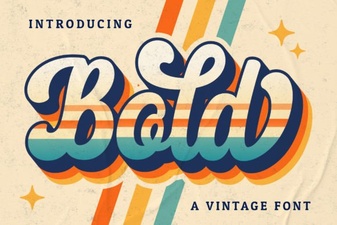 Bold Script Fonts for Creative Design Projects
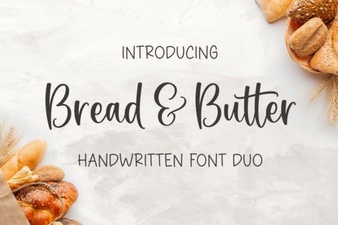 Bread and Butter Duo Font: Creative Design Pairing